I have always been interested in what it means to be human both throughout history and in current society.
How has it changed and what can it tell us about our own future?
Fiction can teach us so much about ourselves. Genres such as science fiction, fantasy and the gothic can explore the edges of human nature in order to reflect the threat of real issues.
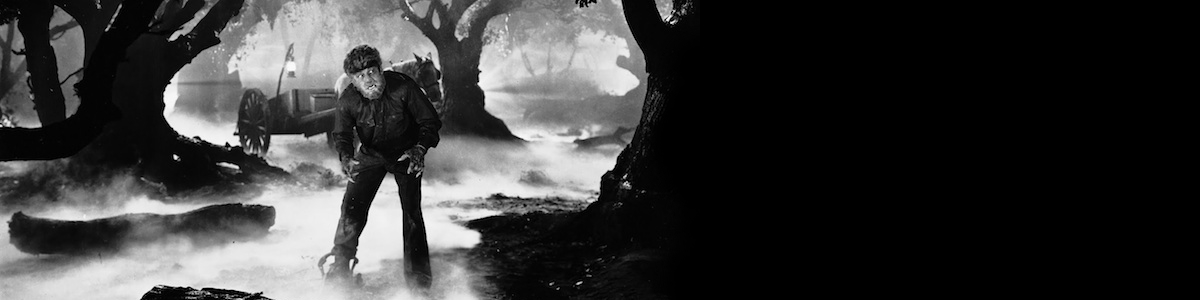
To really understand the human condition, we have to look at the depiction of monsters. Possibly my favourite word, monsters tell us more about the world we live in than any other character. In fact, I could write a whole book in itself on them. For the purpose of exploring my influences around Subhuman however, I’m going to focus on why they are so relevant to our society.
They are traditionally outcasts; Othered, revered by their peers. The most obvious of these is Frankenstein’s monster which, for me, is the original depiction of the complexity that makes such a character. He is both sympathetic and murderous, but he is also a making of his surroundings. He is made monstrous by those who have mistreated him.
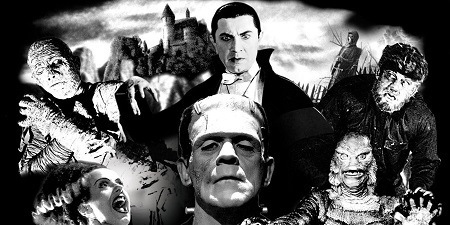
Frankenstein’s monster is the inspiration for Mara and Victoria’s journeys, who are victims of their experiences among humans. It affects them in different ways, creating opposing characters with differing understandings of what humanity is and should be.
The gothic genre is brimming with beautifully complex monsters representing repression, excess, and most importantly the duality of human nature. The idea that we are more than we show is fascinating and for the Victorian era, a prevalent theme where much of society had a veneer that was glossier than the reality.
Today these themes take on new meaning.
Now, we face a technological revolution greater than I think anyone in the Victorian era would have dreaded to imagine. Except maybe the Queen of posthumanism herself, Mary Shelley.
Technological advancement in itself is not inherently bad, and I’d be the first to argue its uses. In this very moment, as we all sit in lockdown, I’m so grateful it allows me to FaceTime my grandpa or have a weekly Zoom games night with my friends. It keeps us connected.
But is there a line? Should there be a balance?
Instead, I’d argue for an awareness. Something I think is so easy to forget. It has crept in to every aspect of our lives, now so much so that we can’t live without it. We trust it.
But should we?
When it becomes integrated to your life, then your body, where does human end and cyborg begin? Does it have to?
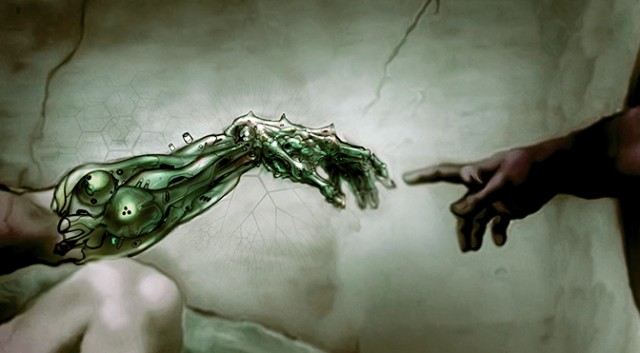
This is the crux of my BioChronicles project that highlights current transhumanist and posthumanist debates.
Transhumanism concerns itself with the process of using biotechnology to improve or transform the human body whereas posthumanism focuses on a society already altered by biotechnology and the consequences of that new world. This could be the addition of new abilities: a sensor in your arm that opens your car door (a real thing, right now), or enhancement of disabilities to give ease of life such as prosthetics or gene therapy. It is important to point out here though that transhumanism does not suggest that disability requires curing by technology. Rather, it is used as a lifting of current abilities in any sense.
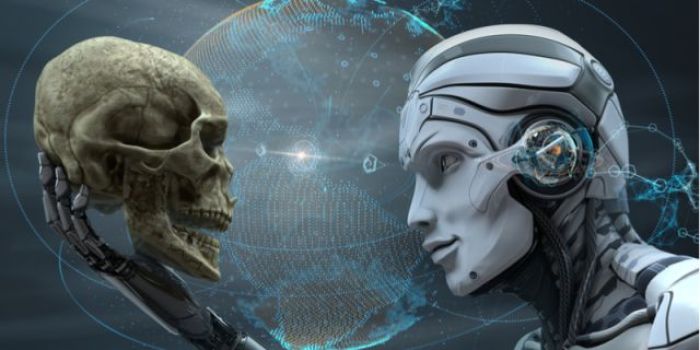
My novel, Subhuman, explores the addition of such technology on both sides. Prosthetics are intended to cure, but instead, they enhance. The loss of control of prosthetics has resulted in monstrous creatures that were once human. Would you consider your neighbour a monster if it happened to them?
Yet, Kai struggles with his own prosthetics that have Othered him in a society that fears the technology because of what has happened to the world. It shapes his identity, making him believe the Subhuman label attached to him. He is a posthuman, changed by the integration of his technology and a hybrid of both the old world, and the new.
The purpose, therefore, is to explore how this new breed of monster affects our own notion of what it means to be human.
Will it enhance our humanity, or transform it?
 N.S.Land
One Reply to “”