My favourite subject.
You can find a list of all the enemies in Subhuman at this link, but here I want to talk about what really makes a monster and how they can be the most diverse characters in a story.
I touched on this a bit in my post, Purpose, and like I said there, I could talk all day about them. I’m not necessarily talking about antagonists, although many monsters end up filling that role too, but more so those characters in a narrative that create a negative feeling in either other characters, or readers.
One of the intentions of my work in progress novel, Subhuman, is that every character, in one way or another, could be deemed monstrous. It reflects the reality that no one is perfect, no one is completely ‘good’ and so there is no hero and villain.
Sure, Kai would be the obvious candidate for the hero. But I am interested to see if readers forgive a lot of his actions because he sits in the typical hero role structurally.
When in reality, he is no more heroic than Mara or Victoria.

Monsters are complex because they are characters that essentially reflect the fears of the society they are in. This is the case for the fictional society and reality.
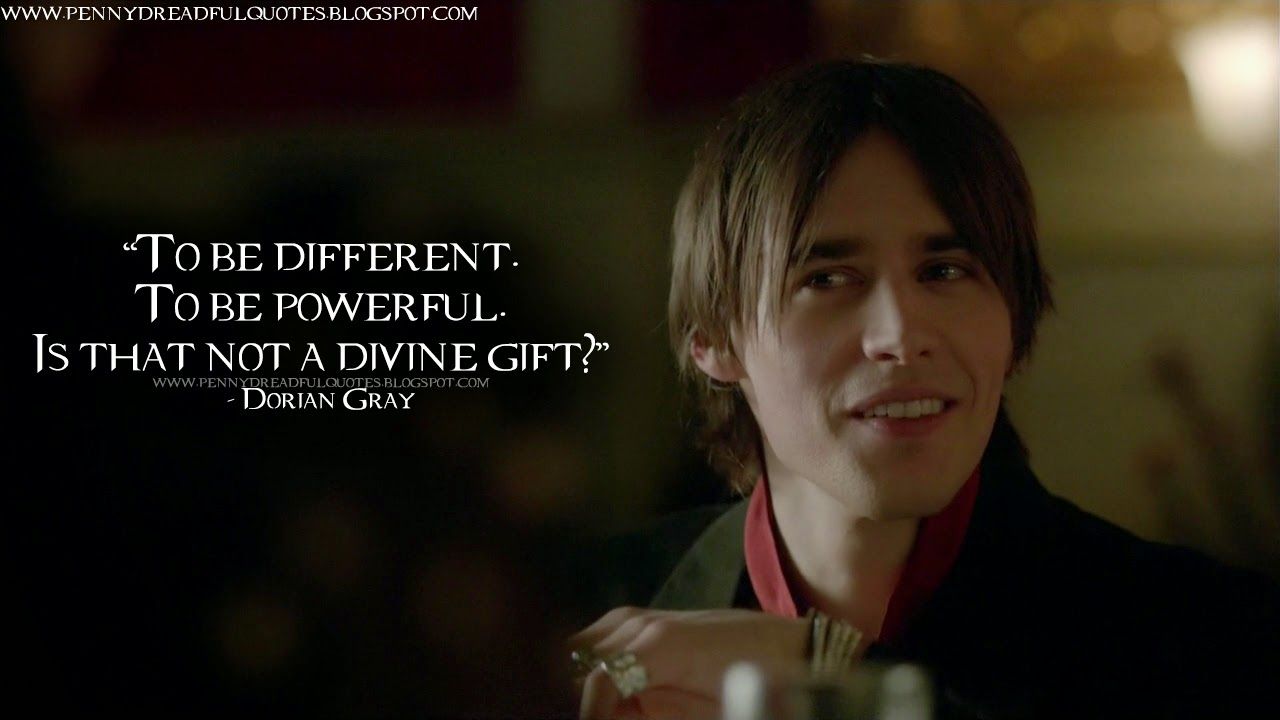
A great example of this is Dorian Gray, which also happens to be my favourite book. Dorian’s character is one of lust, sin and everlasting beauty. Although he is revered by those around him for his ageless beauty, the painting that contains his true, hideous self, is not. It is his monstrous other half. It quite literally paints a picture of the monster he becomes yet because his physical face remains beautiful, his sin is kept silent and behind closed doors. No one questions him but those who find his painting are full of fear.
Dorian’s lust is the monster here. This accurately reflects Victorian fears over sexual activity which they saw as sinful, particularly between two men.
This demonstrates the duality of monstrosity well, in that Dorian only becomes monstrous to his society when they discover the painting; his other self. This is also true of another amazing Gothic classic, The Strange Case of Dr Jekyll and Mr Hyde, wherein Hyde is the literal monstrous self of Jekyll.
What I love about monsters in the Gothic genre is the way they explore this divide wherein they have a humanity and are sympathetic characters in their own right, while confronting this other identity that doesn’t fit with society.
It comes down to this idea that monsters in stories are the embodiment of our fears, which can differ from person to person. This brings me into today.
What are our fears in the twenty first century?
One of my favourite tv series, Penny Dreadful, adapts the classic Gothic stories such as Frankenstein, Dorian Gray and Dracula, beautifully into the twenty first century. It is a captivating demonstration of how relevant those monsters still are, while instead, they explore themes of feminism, sexuality, and mental illness through the lens of monstrosity.
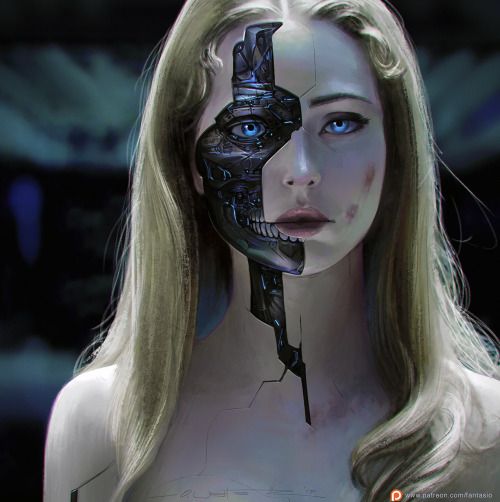
In Subhuman, the technology we rely on so heavily, has been tainted and therefore, those who survived and did not become Junkies, are left living in fear. The rest of society cannot discern who is human and who isn’t so cast out those with prosthetics no matter what their situation. But not all monsters are grotesque zombies or giant steel soldiers, they can be as beautiful as Dorian Gray, or as gentle as a Mayor who claimed to offer you a better life.
This exemplifies the reality that there is a monster in all of us.
 N.S.Land
One Reply to “”