Welcome!
I’m admittedly a bit of a sneaky writer. It may come from playing video games too, but I love an easter egg (a hidden message, object or feature in games, films etc).
In this post, I want to reveal some of the less obvious links and clues I scattered across my latest Halloween short story series, Seven Dreadful Tales. Some are clearer than others and some you may have missed, where others found.
This of course will be riddled with spoilers and confusion if you haven’t read the series but they are all up now and you can find them here. So come back once you’re caught up and for everyone else, let’s begin…
A quick definition as we start. Penny dreadfuls are at the centre of this project and so for anyone who doesn’t know what they are…here is your quick summary courtesy of ScreenRant:
‘a particular form of literature that was popular in the nineteenth century in the United Kingdom. What came to be known as “penny dreadfuls” were stories that were sensational and lurid. They were often about famous criminals and detectives in the seedier parts of London, adventure stories that featured supernatural beings and murder. Penny Dreadful was actually a derogatory name used by those who felt this type of literature was low and beneath the more worthy fictional writings of the time. Despite this, they were very popular and could be purchased on the streets for one penny, hence the name.’
You may have noticed that in The Book Club, Phil also gives you, and the other characters, a slight snapshot of this as he enthuses over them.
The books that bind them
This is the main link between the characters, made evident by the last story, The Book Club, where it becomes clear that they do know each other through this club. Although, there are small mentions to the book club in a few of the stories before this.
Did you catch them?
This story also reveals that their fate is sealed by the Penny Dreadful they choose, all brought by Eileen (who is no longer Eileen either).
However, each Penny Dreadful title is directly linked to that character’s fate. For example, Priyanka in Cold Feet, is killed by the narrator, The Bighted One after unknowingly torturing it. Her penny dreadful is titled, Revenge of The Blighted One. These are all real titles of penny dreadfuls published in their time and are the main inspiration of this series. I like to think of Seven Dreadful Tales as my own series of modern Penny Dreadfuls and I’ll talk a bit about the how and why of that in my next blog where we slip behind the veil of the series.
Who you are is how you’ll die
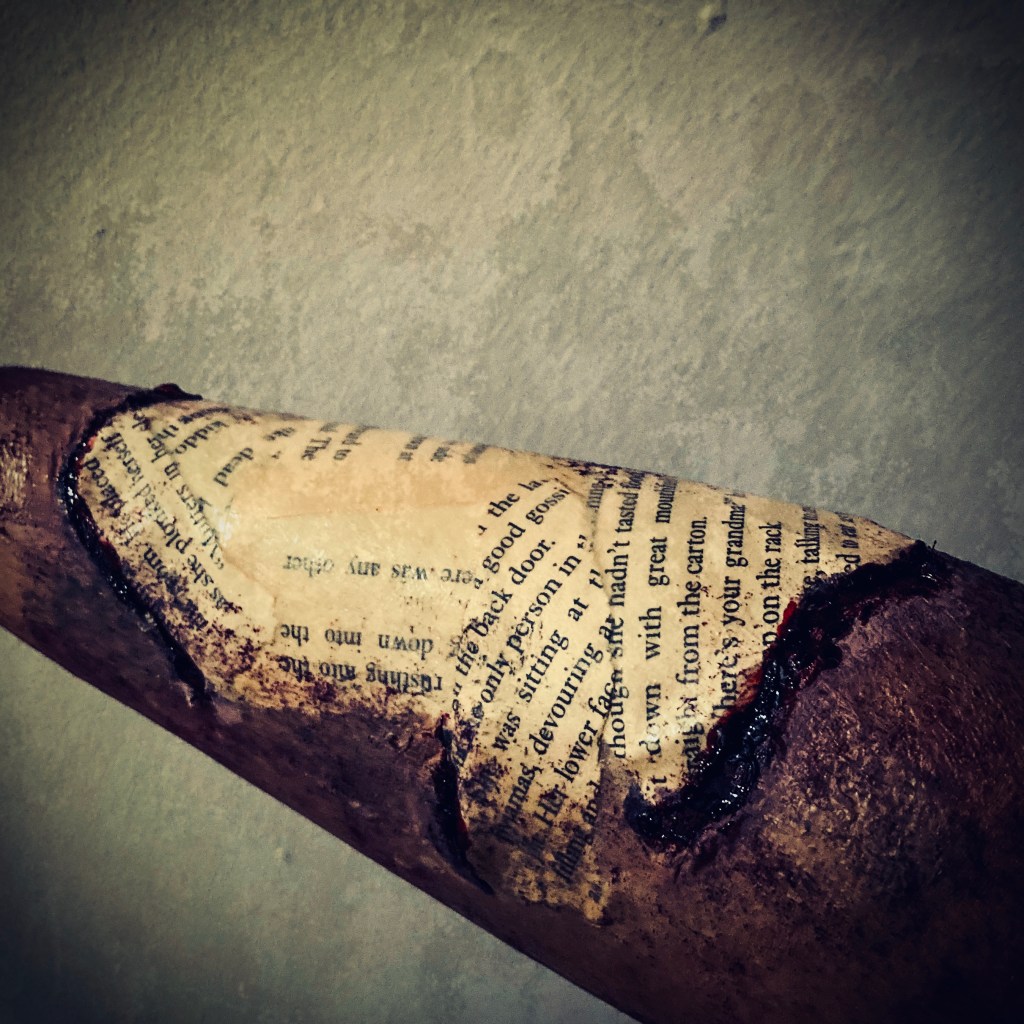
Each character’s death is linked to who they are as a person. Some of these are hinted at through their reactions in The Book Club and others, like Gemma’s are more fleeting. She doesn’t like horror, it isn’t real literature in her eyes and so when the pages of the penny dreadful start to grow across her skin, she feels the impulse to change them and improve them, resulting in her gruesome death that follows. This all stems from a papercut she gets when Phil hands her one and she refuses it.
Phil on the other hand, is a stay at home dad, horror buff (we’ll get to that later) so naturally, his curse is linked to his children and his home being compromised.
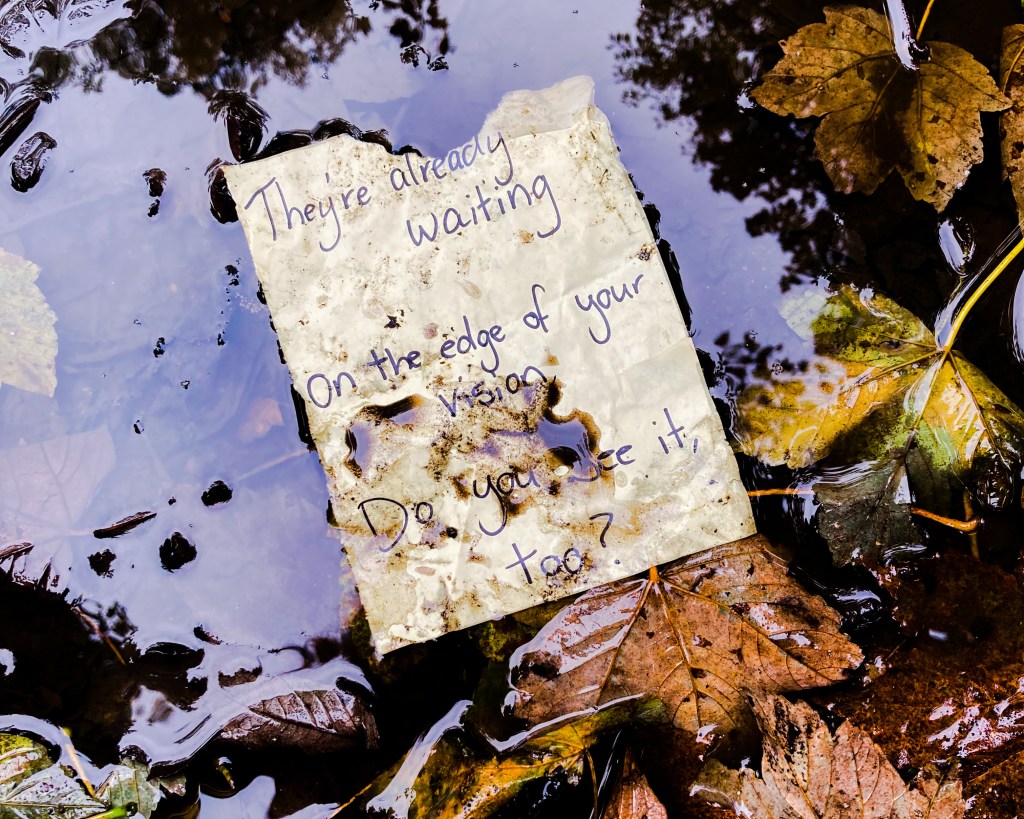
Priyanka is an insomniac, she is killed in bed. Jack is a workaholic, organisation is important to him but that organisation turns to chaos. Freya, we see in The Book Club, cares more about the perfect image of her story rather than the story itself, and this leads her into danger in the woods – but at least some good pictures came from it right?
Robin, who is chasing Freya through text, then becomes the prey when in death, she decides to chase back.
The order of things.
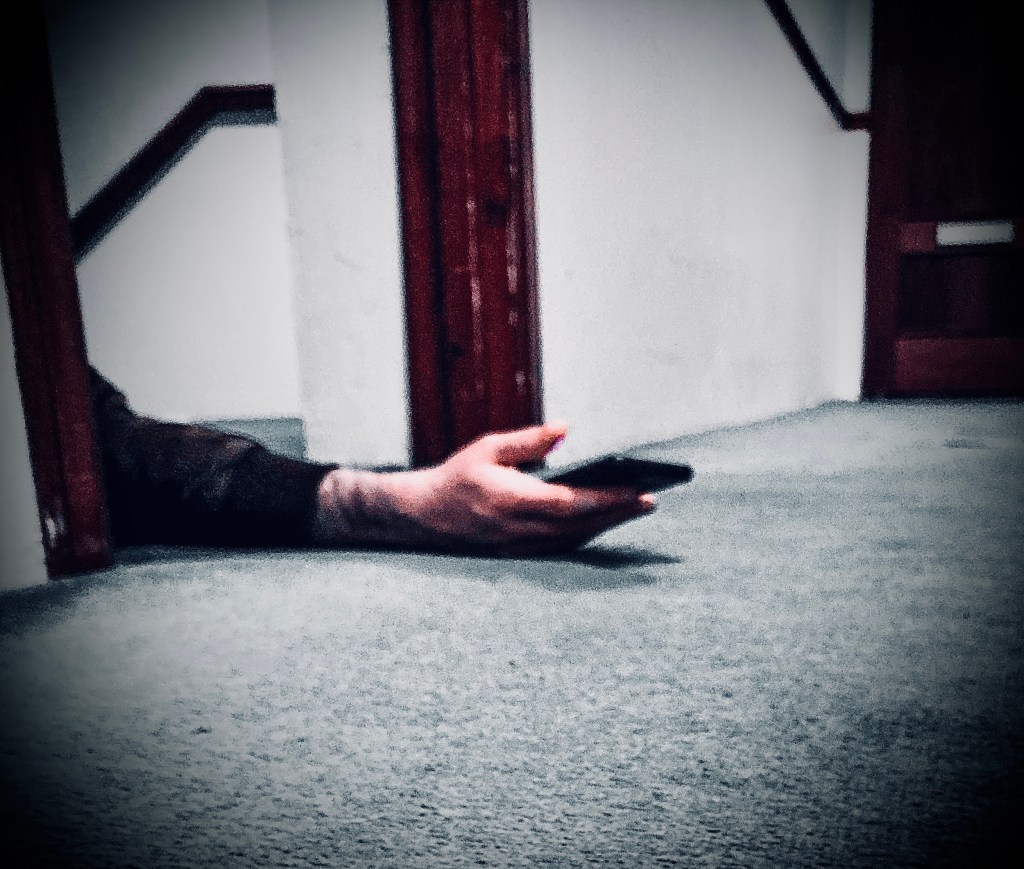
There are various hints throughout that the stories are not chronological. In some stories characters are dead, in others, they’re alive. This also points to them knowing each other before it is revealed in the end and helps build a timeline for when each one dies.
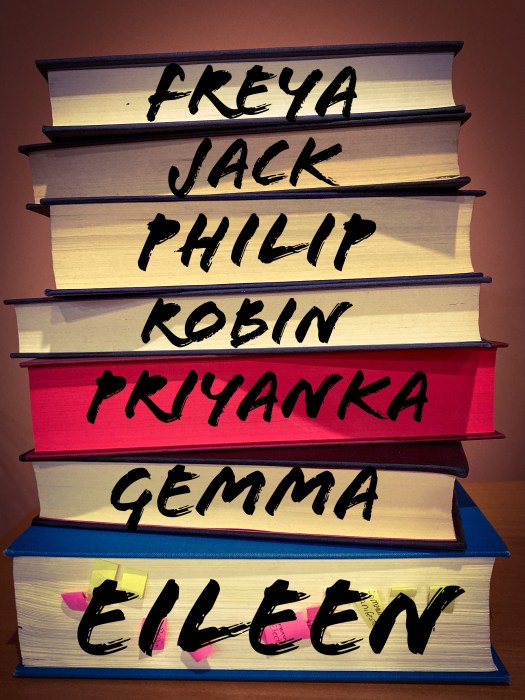
If you want to see the order in which they die, you just have to look at the order they left Eileen’s house in. Or the list of names in The Book Club’s story.
A nod to classics.
All the stories point to both internal and external torment for the characters. This is a major trope in gothic fiction that oftens features an external monster that reflects the internal, monstrous side of its victim. The monsters in this series are real entities, summoned by their penny dreadfuls. Yet, they prey on the sanity of the characters, making them question themselves and making the readers question whether they are real at all or if its all in their head. The gothic genre is what began my love of stories and continues to be a huge inspiration for my love of monsters. So it seemed right to involve many of the themes that the genre employs while modernising them a bit to the current day.
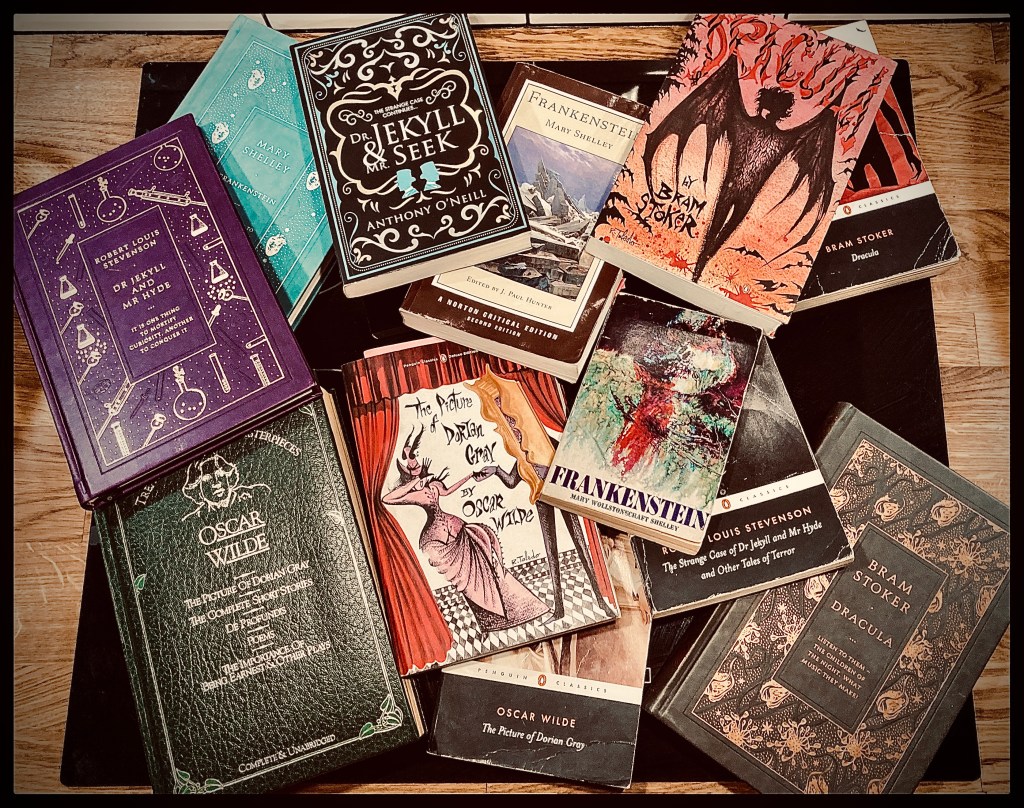
Similarly, Philip’s story is inspired by my other love: horror movies. The good, the bad, the cliche, I’ve seen so many and this is reflected in Phil’s love for horror. This should give him an awareness of the classic tropes to avoid (don’t entertain the imaginary friend). Yet, he still falls victim to it. In this story, I wanted to include some of my favourite aspects of horror film cliché to show there really is no escape, no matter how much you say you wouldn’t do that if it was you. From the imaginary friend, to the creepy grins, and unnecessary kid’s drawing, it was fun to play with these and James did an amazing job with it all.
The entities know each other too.
This one is so small that I’d excuse you for missing it. Cold Feet takes the perspective of The Blighted One, the entity summoned to kill Priyanka and writes about it’s experience on a forum for other ‘haunts.’ This suggests there is a community among them too, like the book club for the victims. It also makes reference to a couple of the other deaths and the techniques the others used to kill characters we’ve already seen die. Therefore suggesting it is part of a group of entities that are aware of each other.
Jack becomes ‘Spring-Heeled Jack’
This is fairly obvious because he goes through a clear transformation, although you would not know what, until reading the last story and seeing his penny dreadful title. However, Spring-Heeled Jack himself is an interesting character I wanted to talk about.
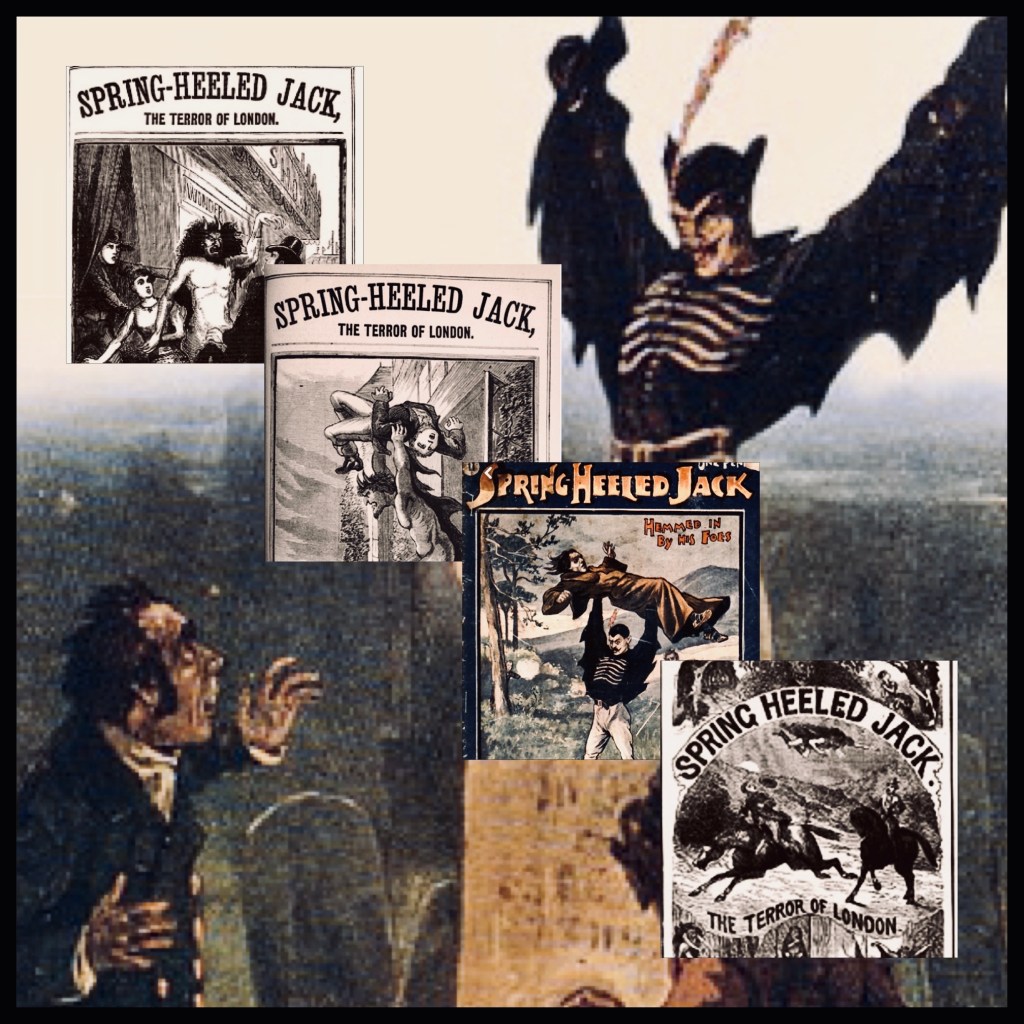
He is a mythical monster that was written about heavily in penny dreadfuls in the Victorian era but this also inspired fear among people who reported they had really seen him. While he shares some characteristics to Jack the Ripper, he is said to be a lot weirder and more fantastical than the very real threat of the Ripper. Many descriptions of him at the time portray him as a devil-like figure with claws, red eyes and a cape. He was named so because of his key characteristic of inhuman leaping upon his victims, namely women in alleys. He was also said to breathe flames. Sound familiar?
Eileen is she who lives in the ceiling
Phil tells you himself that he saw her. Yet, she wasn’t like herself. He sees an Eileen almost unrecognisable and in far more of an advanced state of demon than the one we see at the end of The Book Club. Her entity, who takes on her form, is the one who starts it all. Just like Freya’s entity hunts down Robin, Eileen’s then hunts down Phil.

It all comes down to the fates they chose when so harmlessly choosing something to read.
There you have it!
Did you catch them all while you were reading?
Which ones did you miss?
Which was your favourite story of the series?
Stay tuned for Part Two coming soon where I reveal the hows and whys of creating Seven Dreadful Tales. In the meantime, why don’t you read them again, just to be sure.
 N.S.Land
One Reply to “”